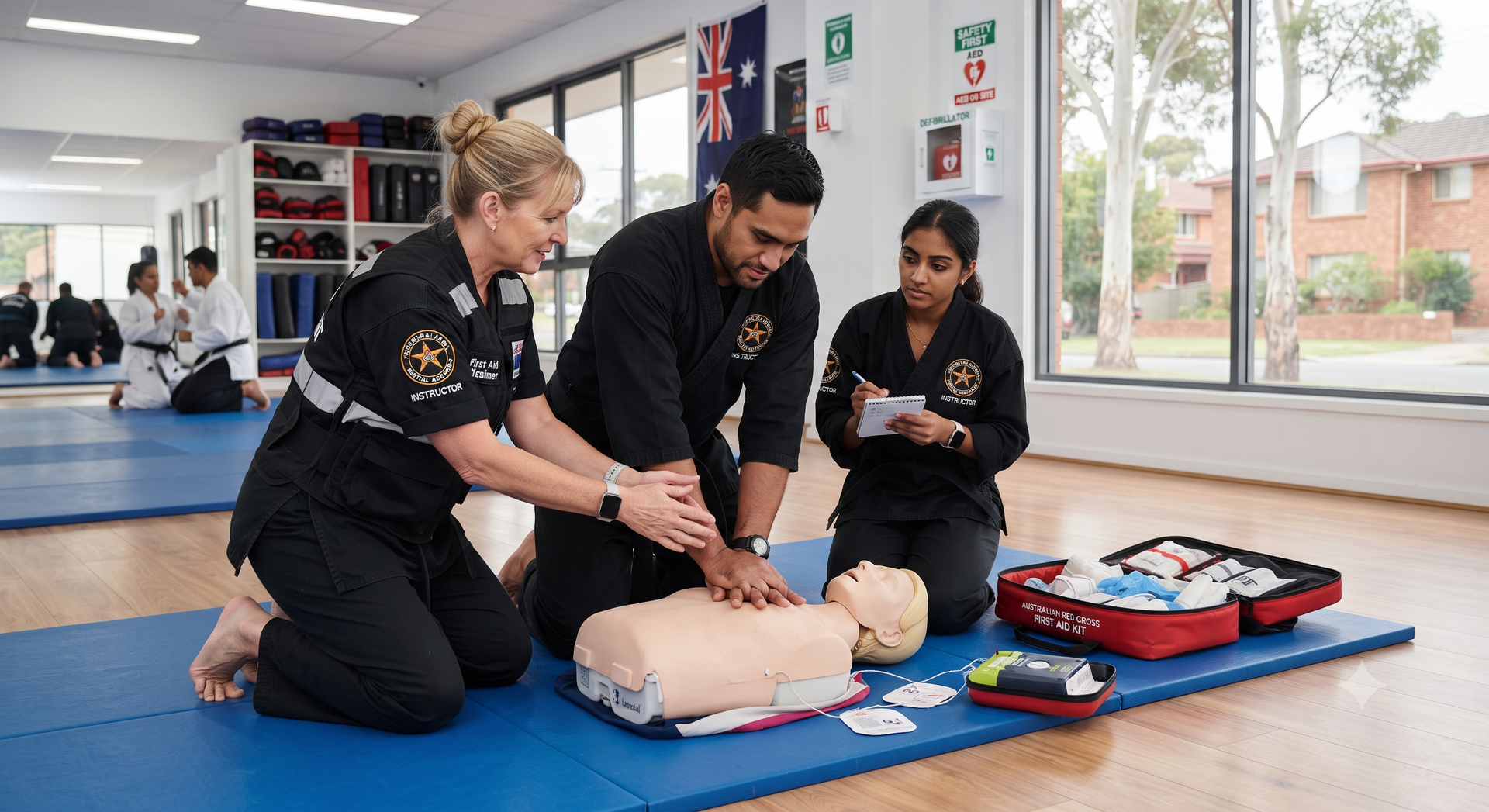
Your Duty of Care as an Instructor Is a Legal Responsibility Do You Know Yours?
AMACS Level 3 Covers the Legal and Ethical Framework Every School Owner Needs
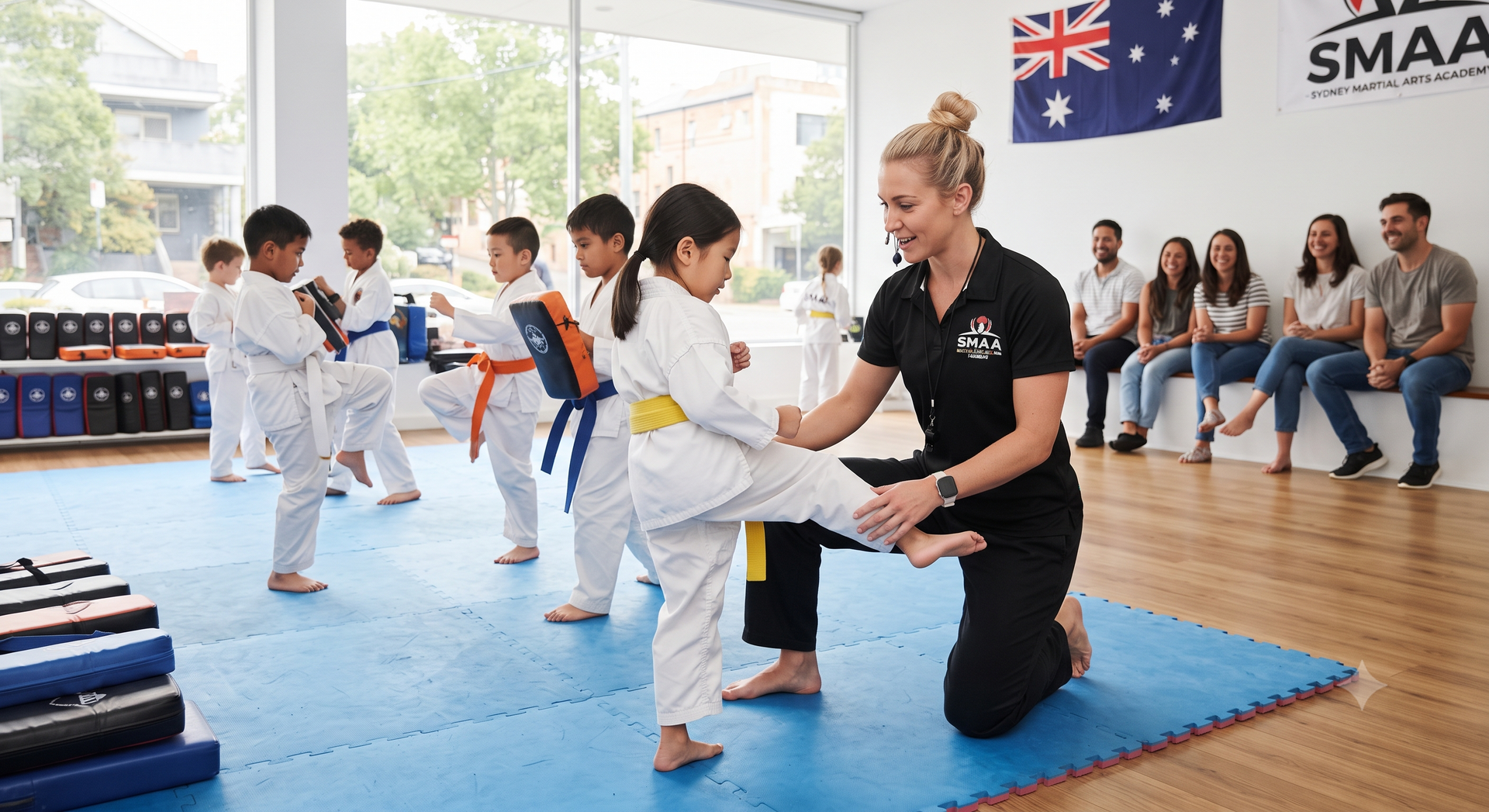
Running a martial arts school in Australia carries legal responsibilities that most school owners have never formally studied. The duty of care you owe your students, the ethical obligations that come with your professional role, the legal frameworks that govern physical activity in a commercial context, and the documentation practices that demonstrate compliance — these are not theoretical concerns. They are the practical background against which every class you run operates, and every incident that happens in your school is assessed.
AMACS Level 3 addresses this directly. One of the core units in the course covers coaching in accordance with accepted practices, styles, and legal and ethical responsibilities — specifically in the Australian context. It's the content that turns a skilled martial artist into a professionally responsible school operator.
What the Legal and Ethical Content Specifically Covers
The Level 3 legal and ethical unit examines the coaching responsibilities that apply to martial arts instructors under Australian law, including duty of care obligations to students of different ages and abilities, the ethical requirements around appropriate professional boundaries with students, the practices that constitute negligence and how they differ from acceptable professional risk, and the documentation standards that protect both your students and your business if something ever needs to be reviewed.
For school owners who have operated for years without ever formally studying this material, this content is often described as the most clarifying part of the entire AMACS pathway. It doesn't just tell you what the rules are — it explains why they exist, and that understanding changes how you make decisions day-to-day.
The Risk Management Layer
Connected to the legal and ethical content is formal risk management — identifying, assessing, and mitigating the risks that are inherent in running a martial arts school. AMACS Level 3 helps school owners build this capacity systematically, rather than managing risk intuitively and hoping their instincts cover the gaps.
Instructors who have completed Level 3 approach incidents differently — they have the framework to assess what happened, document it properly, and make the adjustments that reduce the likelihood of recurrence. This directly affects both student safety and the insurance position of the school if a claim arises.
The Complete Package for School Owners
Level 3 is not just a course. It's the formal qualification pathway that leads to Certified Senior Instructor (CSI) and Certified Master Instructor (CMI) status, alongside 6-STAR School Certification through Martial Arts Australia. These credentials communicate your professional standard to the market in a way that reputation alone cannot.
Duty of Care Across Different Student Populations
One of the more nuanced parts of Level 3's legal content is the recognition that duty of care is not a single, fixed standard — it scales with the vulnerability and capacity of the student in front of you. The standard of supervision and care owed to a class of young children is meaningfully different to that owed to a group of experienced adult competitors, and both differ again from what is owed to an older adult student with a pre-existing health condition. School owners who have never formally studied this distinction sometimes apply a uniform standard of care across every class, when the law and genuine best practice both expect a more calibrated approach depending on who is actually in the room.
Negligence, Acceptable Risk, and the Line Between Them
Perhaps the most valuable single concept in this unit is the clear distinction it draws between an inherent, accepted risk of contact-based training and genuine negligence. A student injured during properly supervised, appropriately structured sparring conducted in line with accepted practice has experienced the accepted risk of the activity. A student injured because supervision was inadequate, because a mismatched pairing was allowed to continue unchecked, or because a known hazard was never addressed is a different matter entirely, and may constitute negligence. School owners who understand precisely where this line sits make better day-to-day decisions about supervision, pairing, and intervention — and are in a considerably stronger position if an incident is ever reviewed.
Documentation as Genuine Protection, Not Just Paperwork
A recurring theme across the Level 3 legal and ethical content is that good documentation is not bureaucratic box-ticking — it is one of the most practically protective things a school owner can build into daily operations. Clear induction records, incident reports completed at the time an event occurs, and documented risk assessments for higher-intensity activities all serve the same purpose: they give an honest, contemporaneous account of what your school actually does and how carefully it is run, which matters enormously if that account is ever needed months or years later.
Why This Content Changes Day-to-Day Decisions
School owners who complete this unit consistently describe a shift in how they make everyday decisions — not because they suddenly become more cautious or less willing to run a genuinely physical program, but because they now make decisions with a clearer understanding of exactly why a particular standard exists. Understanding the legal reasoning behind a supervision requirement, for example, tends to produce more consistent compliance than simply being told the rule without the reasoning behind it.
The Confidence That Comes From Genuinely Knowing the Rules
School owners who complete this content consistently describe a reduction in a specific, background anxiety many carry without naming it directly — the vague worry that they might be doing something wrong legally without quite knowing what. Replacing that vague worry with genuine, specific knowledge of what the law actually requires, and confidence that current practices meet that standard, is one of the quieter but most valuable outcomes of completing Level 3, well beyond the formal credential itself.
A Standard That Benefits the Whole Industry
As more school owners across Australia complete formal legal and ethical training like AMACS Level 3, the baseline professional standard across the entire martial arts industry rises. This benefits every school, including those yet to undertake the training, because it raises general public confidence in martial arts instruction as a genuinely professional field rather than an unregulated hobby space. Owners who complete Level 3 are contributing to this wider industry standard as well as protecting their own individual school.
Talk to Your Insurer Too
Because the content in Level 3 directly touches on risk management and documentation practices, it is worth discussing with your insurance broker once completed many schools find that demonstrating formal legal and risk management training across their instructor team is relevant to how their policy and premium are assessed, and it is a genuinely useful piece of evidence to have on hand at renewal time.
A Course Worth Prioritising
Of all the content across the AMACS pathway, the legal and ethical unit in Level 3 is arguably the one with the highest downside if it is never studied at all. Technical or business shortcomings are usually recoverable and improve steadily with experience. A serious gap in legal and ethical understanding, discovered only after an incident forces the issue, is a considerably harder position to recover from. This is precisely why we encourage every school owner, regardless of how experienced they already feel, to prioritise this content sooner rather than later.
Applying the Framework to Real School Decisions
The genuine test of this content is whether it changes real decisions, not just whether an owner can recite the concepts afterward. Owners who have completed Level 3 report applying the framework to decisions as varied as whether to allow a student with a disclosed pre-existing condition to participate in full-contact sparring, how to respond when a parent requests information about another child's behaviour in class, and how to document a disagreement between two instructors about appropriate technique for a junior class. In each case, the legal and ethical grounding from Level 3 provides a genuine basis for the decision, rather than the owner having to rely purely on instinct.
Reducing Reliance on Ad Hoc Legal Advice
While Level 3 is not a substitute for qualified legal advice on a specific, serious matter, owners who complete it typically need to seek ad hoc legal guidance far less often for routine, day-to-day questions, because they now understand the general framework well enough to work through most everyday situations confidently themselves. This is a genuine, ongoing cost saving as well as a source of professional confidence, and it is one of the more practical, immediate returns owners describe once they have genuinely absorbed the material, alongside the deeper confidence that comes from understanding the reasoning behind the rules rather than simply following them by rote, which is precisely the kind of understanding that holds up under genuine scrutiny rather than crumbling the first time it is tested, whether that scrutiny comes from a concerned parent, an insurer, or a regulator, rather than only in the informal, low-stakes conversations where a shakier grasp of the material might otherwise go unnoticed.
Share
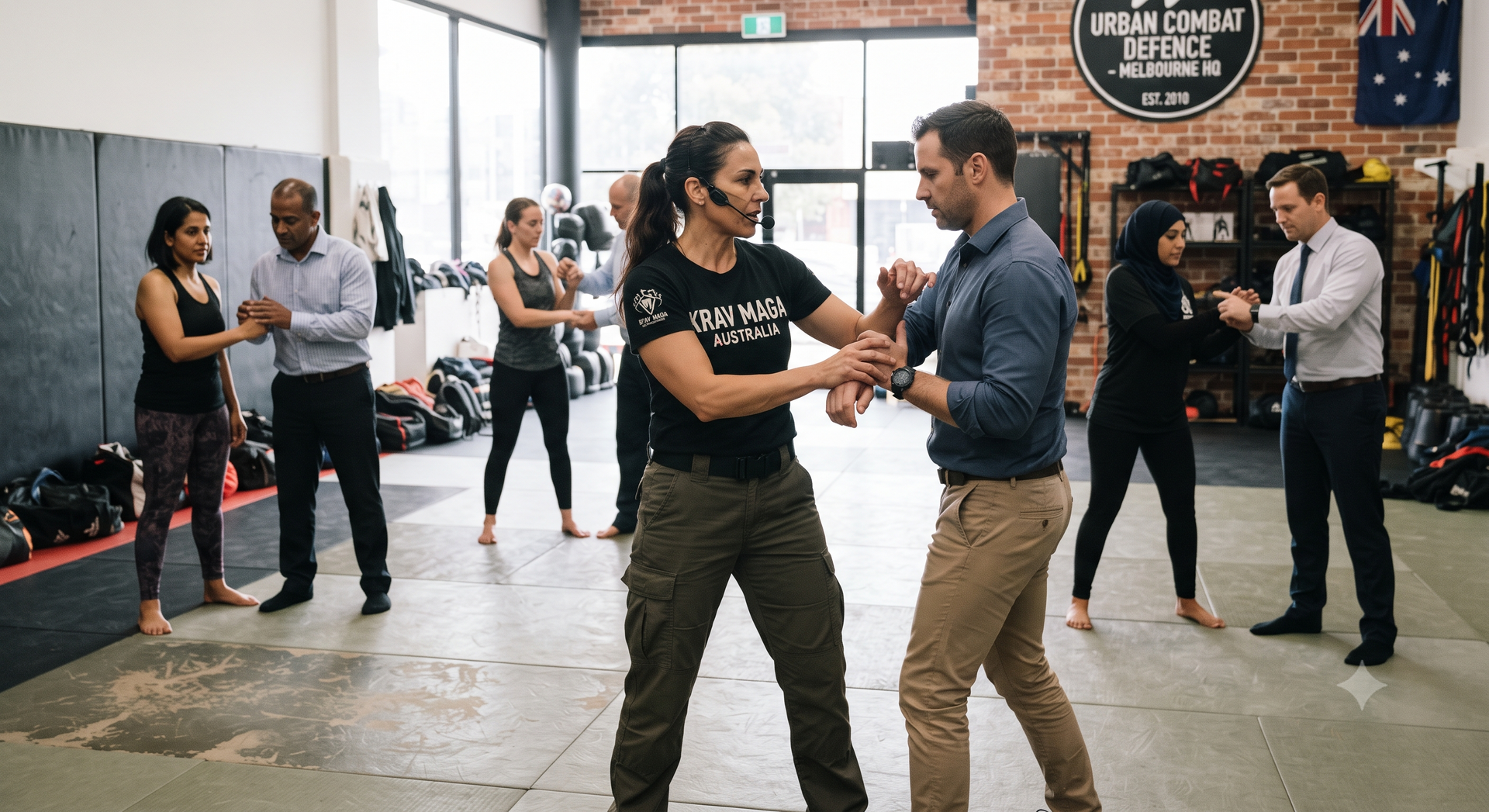
Teaching Self-Defence Professionally: The Course Built for Instructors Who Work With Real-World Risk