Why Every Martial Arts Instructor Needs a Recognised Qualification
And What Happens When You Don't Have One
There's a common assumption in martial arts that if you can fight, you can teach. And while technical skill matters, it's only one piece of what it actually takes to run a safe, effective, and sustainable martial arts program.
At AMACS Australia, we've spent over a decade working with martial arts school owners, assistant instructors, and senior coaches across every discipline — from Brazilian Jiu-Jitsu and Karate to Taekwondo and Kung Fu. What we keep seeing is a consistent gap between being a skilled practitioner and being a skilled instructor. This article breaks down exactly why a recognised qualification changes everything — for you, your students, and the long-term success of your club.
The Gap Between Practitioner and Professional
Plenty of instructors have spent 10, 15, even 20 years on the mat. They've earned their black belt, competed at high levels, and built genuine credibility within their style. But when it comes to structuring a class for a group of beginners with different learning styles, managing risk in a training environment, or building a curriculum that actually produces consistent results — that's where the gaps start to show.
Teaching is its own discipline. Sports science, class planning, risk management, student psychology, and communication skills are not things that automatically come with martial arts experience. They're learned — and they need to be learned intentionally.
That's what our AMACS courses are built around. Not reinventing your martial arts knowledge, but giving you the professional framework to deliver it more effectively.
What a Recognised Qualification Actually Covers
Our AMACS Level 1, 2, and 3 courses aren't theoretical classroom exercises that have nothing to do with real life on the mat. Every module was developed by martial arts industry professionals and peak bodies, using content drawn from the same material used in Cert III Sports and Recreation qualifications delivered through registered training organisations.
Here's what you actually learn across our three levels:
- Risk management — how to assess and mitigate injury risk in a training environment
- Class planning and delivery — how to structure a session that builds skill progressively
- Facilitating groups — managing different skill levels, ages, and learning styles in a single class
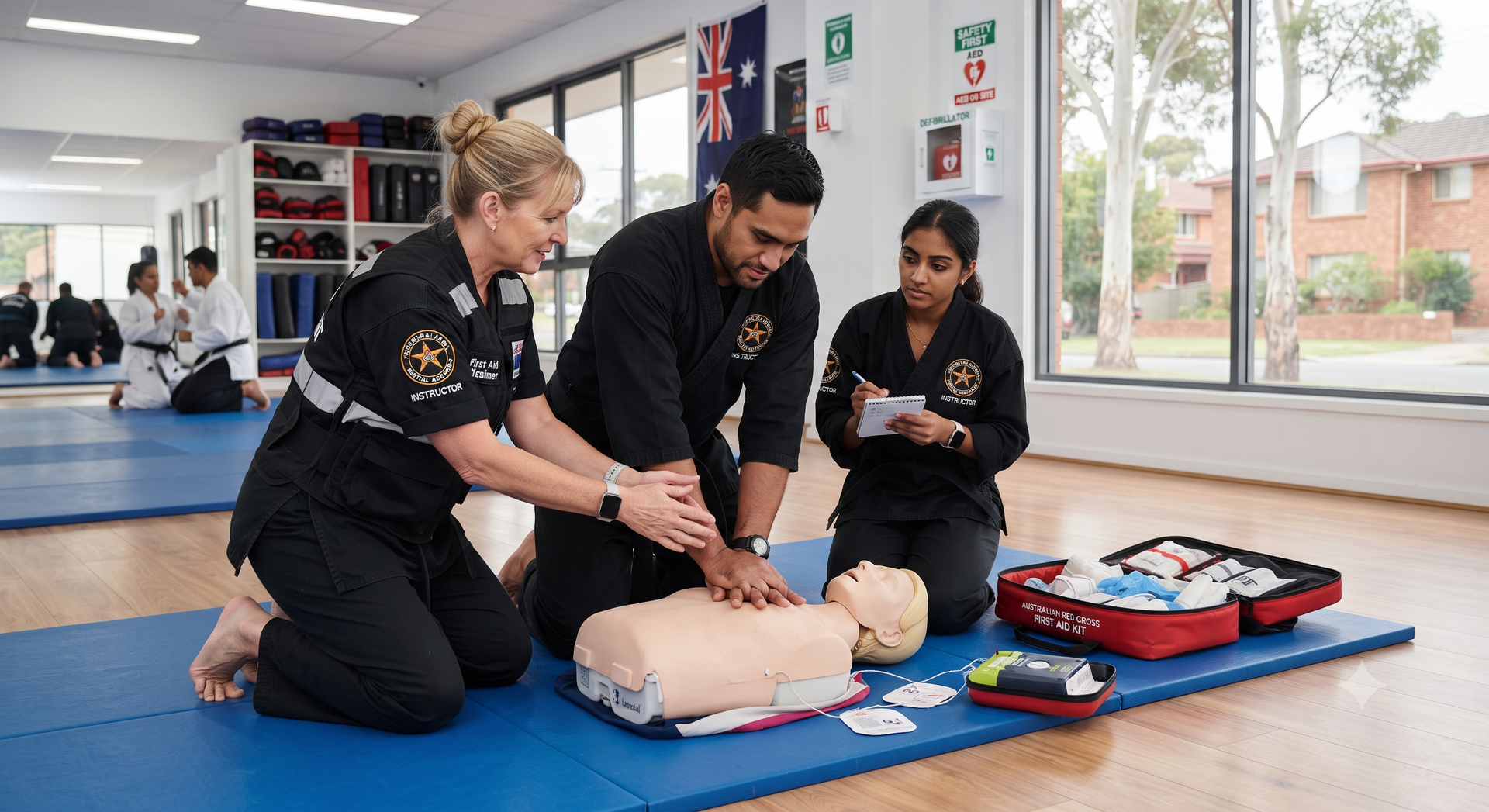
- Emergency preparedness — knowing exactly what to do when something goes wrong
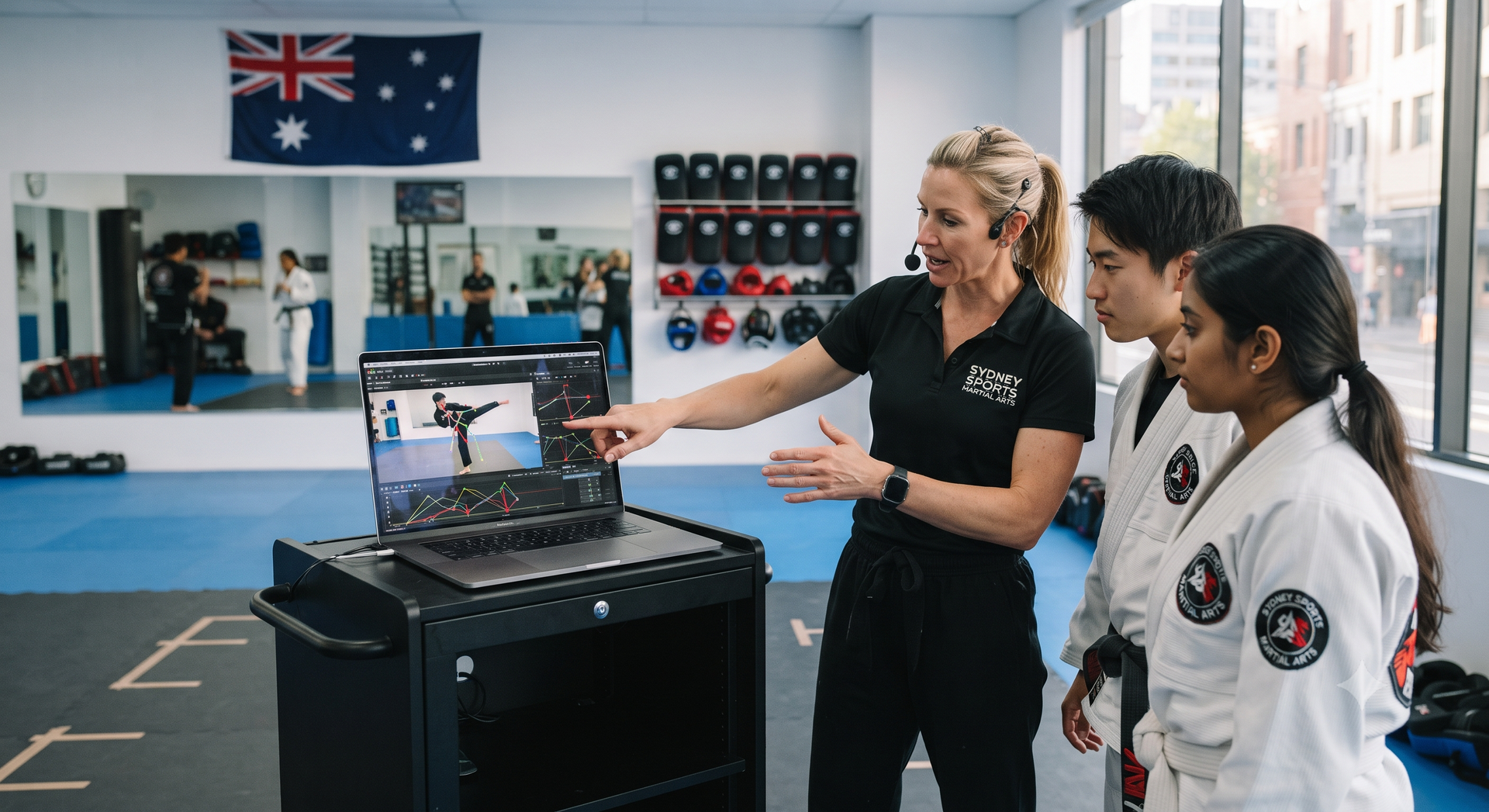
- Sports science principles — understanding how the body learns and adapts to martial arts training
- Business and administration — the practical skills school owners need to manage and grow their club
- Marketing — how to attract and retain students in a competitive market
This is the kind of knowledge that separates clubs that grow from clubs that plateau — and it's the difference between instructors who produce consistently good students and those who don't.
The Liability Risk of Teaching Without a Qualification
This is the part that most instructors don't think about until something goes wrong.
If a student is injured in your class and you don't have a recognised qualification, you're in a much more vulnerable position legally. Insurance providers look at whether instructors have appropriate credentials when assessing claims. If you're running a club without qualified staff and an incident occurs, you may find that your policy doesn't cover you the way you assumed it would.
Beyond insurance, there's the professional credibility piece. Parents enrolling their children in martial arts want to know their child is in the hands of a trained professional, not just someone who's good at fighting. Qualified instructors are trusted more, retain students longer, and attract more serious students.
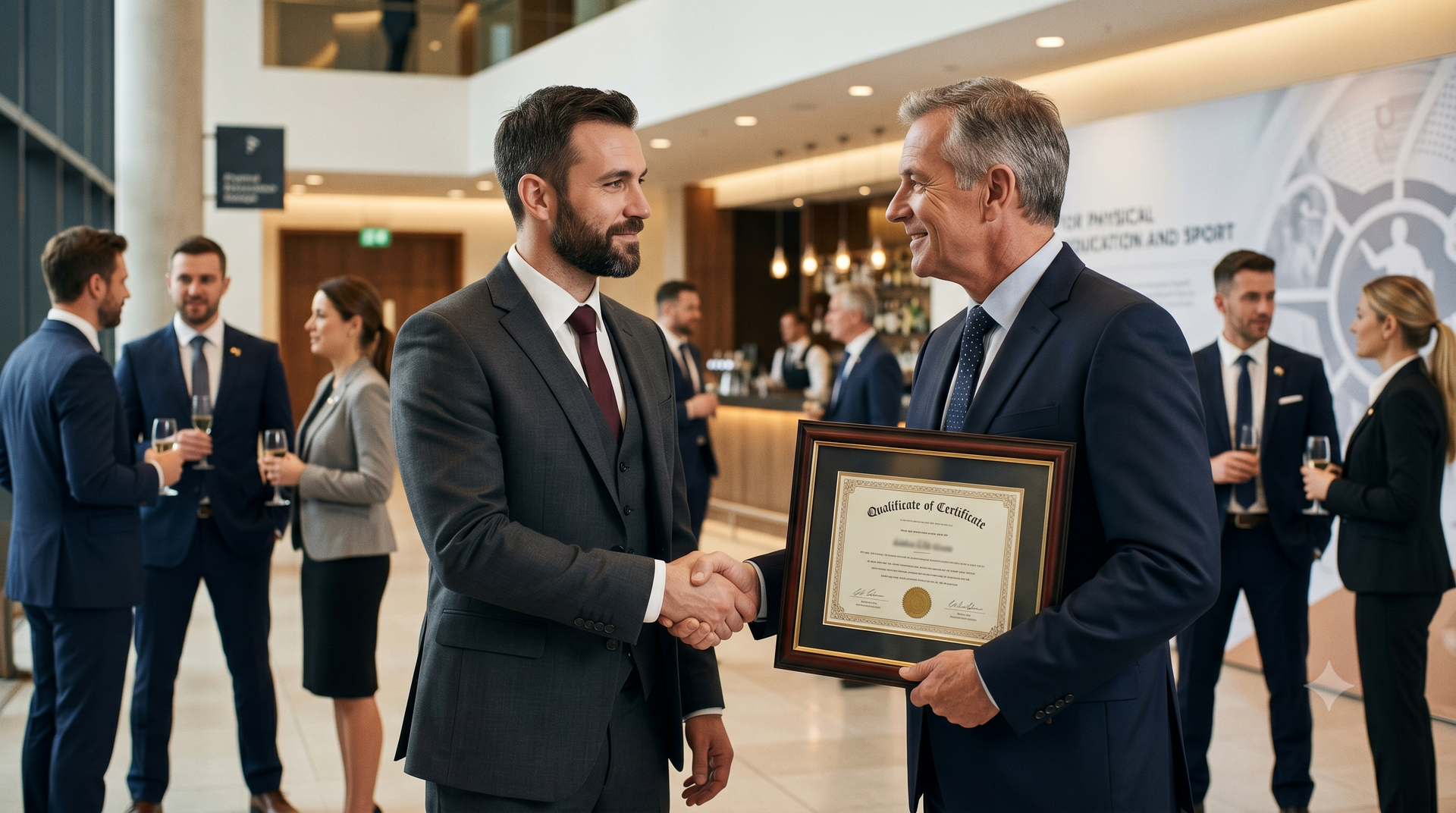
Our AMACS courses give you the documented, industry-recognised evidence of your professional competency — something that protects both you and your students.
It's Not About Replacing Your Experience
We want to be clear about something: AMACS courses are not designed to tell experienced martial artists how to do martial arts. Your style, your lineage, your technical knowledge — that's yours, and it's valuable.
What we do is give you the professional infrastructure that makes your technical knowledge actually deliverable at scale. Think of it this way: a great surgeon still needs to understand hospital protocols, documentation, and patient communication. Their surgical skill is core, but it doesn't operate in isolation.
The same applies here. Your martial arts knowledge is core. Our courses provide the professional framework around it.
And for newer instructors — team leaders, assistant coaches, or students who are starting to lead classes — our courses are designed specifically to bring them up to a professional standard quickly, so they can contribute to your club with confidence rather than uncertainty.
Flexibility That Fits a Martial Artist's Life
We know that most instructors are already busy. You're training, teaching, running a club, and probably working another job on top of it. The last thing you need is a qualification that requires you to attend in-person sessions during business hours three days a week.
AMACS courses are entirely online, delivered through our portal at Martial Arts Universities. Students can start at any time, from anywhere in the world, and complete the material at their own pace. Most students complete Levels 1 and 2 within a couple of weeks when they're motivated. You have up to 12 months, so there's no pressure to rush.
School owners can also enrol their entire instructor team and access group discounts, making it easy to upskill your whole club without a significant investment of time or money from any single person.
What Graduates Get Beyond the Certificate
Completing an AMACS course doesn't just give you a piece of paper. Graduates get ongoing access to business and marketing content, webinars, and resources that keep them connected to the wider martial arts industry.
This means that once you complete your course, you're not left on your own. You become part of a network of qualified martial arts professionals who have access to the same ongoing support and development materials — a genuine community of practice.
For school owners, this is particularly valuable. Your instructors stay engaged, stay learning, and bring that energy back into your club. Student retention improves when the teaching quality improves. Club culture improves when your team is professionally confident.
These are real, tangible outcomes that flow directly from having qualified instructors on your floor.
Who Should Enrol Right Now
If you're a martial arts school owner who hasn't yet formalised the credentials of your teaching staff, this is the most direct thing you can do to reduce your liability exposure and improve the quality of your program.
If you're an assistant instructor or team leader who wants to step into a more formal teaching role, AMACS Level 1 is the natural starting point. It's specifically designed for people in your position — not experienced coaches who already hold formal coaching qualifications, but serious practitioners who are ready to make the transition from student to professional.
If you're a senior instructor who wants to formalise decades of experience with an industry-recognised credential, our Recognition of Prior Learning (RPL) pathway lets you do exactly that without repeating material you already know.
And if you're running a club and you're simply struggling to find the time to train your own instructors — that's exactly why AMACS exists. We do the training for you. Your instructors complete the course, and they graduate prepared to build your business and give you more time back.
The Investment That Pays for Itself
Our accredited courses start from just US$199. When you weigh that against the cost of a single injury claim, a single student lost due to poor teaching quality, or the long-term cost of running a club that never quite gets to the next level — the return on that investment is obvious.
The martial arts industry in Australia and globally is professionalising. Parents are more informed. Regulators are more active. Insurance requirements are tightening. The clubs that are thriving are the ones with qualified, confident instructors who can deliver a consistently excellent experience to every student who walks through the door.
Don't wait until something forces the issue. Start now, while it's still a proactive choice rather than a reactive one.
Take the Next Step
AMACS Australia is endorsed by Martial Arts Australia (MAA) and the International Martial Arts Coaching Council. Our courses have been developed by industry professionals, tested across thousands of students, and refined over more than a decade of real-world delivery.
Head to our courses page or enrol directly through our online portal at Martial Arts Universities. If you're unsure which level is right for you, contact us and we'll help you figure out the best starting point for where you are right now.
Your martial arts career deserves a professional foundation. Let us help you build it.
Share
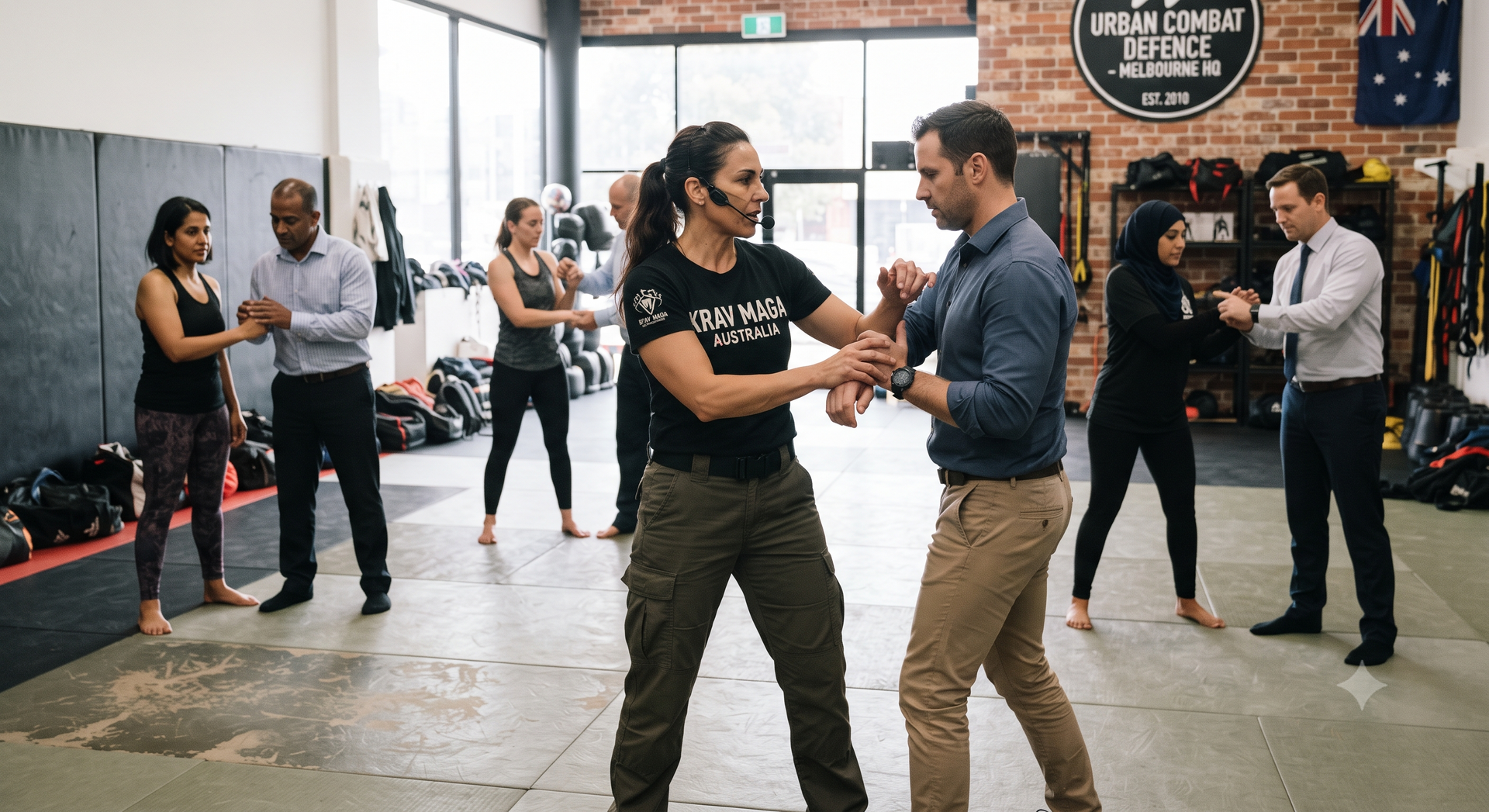
Teaching Self-Defence Professionally: The Course Built for Instructors Who Work With Real-World Risk