Ready to Go Deeper? AMACS Level 2 Takes Your Coaching to the Next Level
For Instructors Who've Mastered the Basics and Are Ready to Step Up
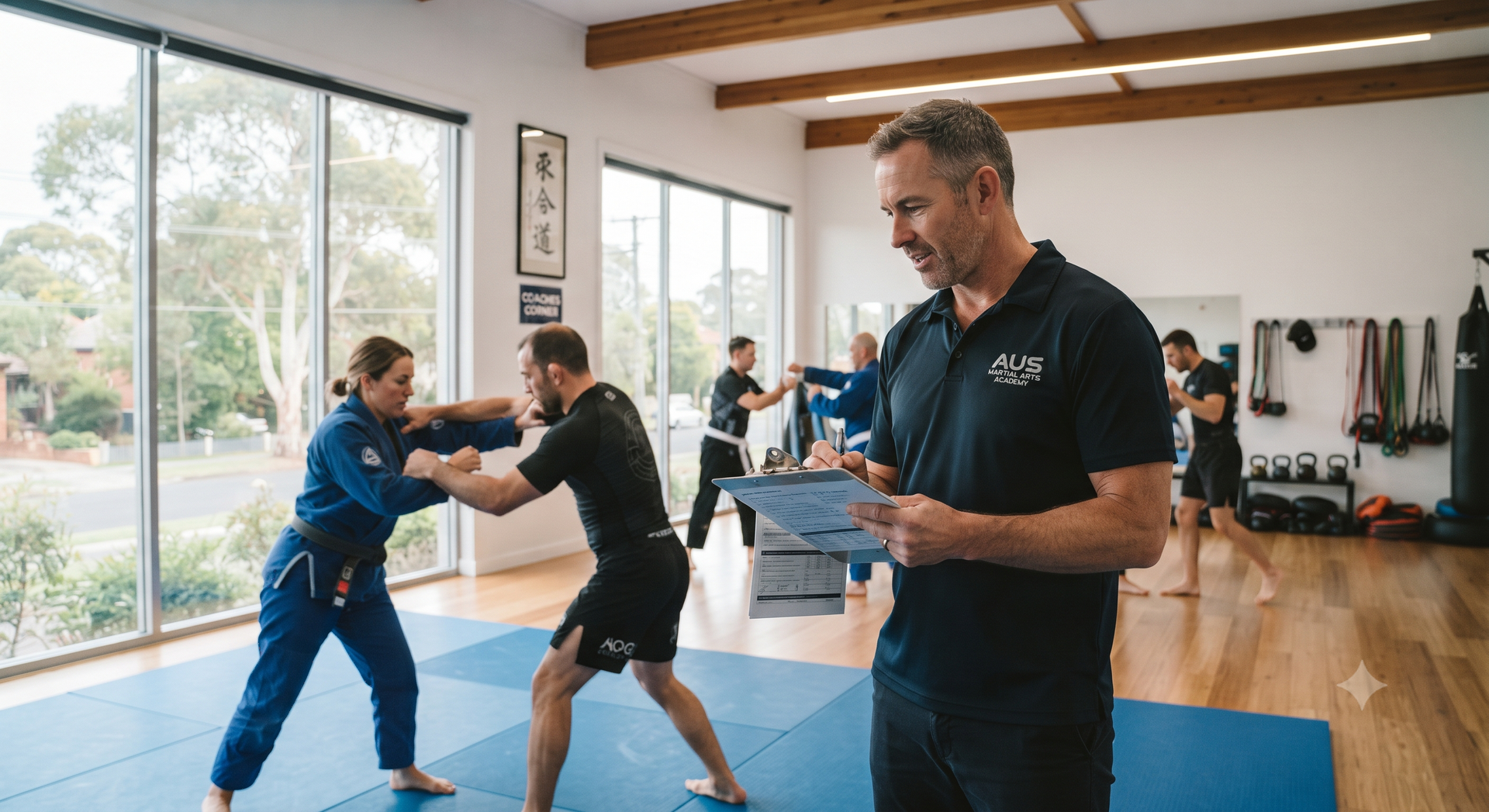
You've been teaching for a while. You know how to run a class. Your students trust you and they're progressing. But are you genuinely equipped with the knowledge to evaluate what's working, handle complex student situations, and design programs that go beyond what you already know? That's the question AMACS Level 2 is built to answer.
Level 2 is the intermediate course in the AMACS pathway designed for instructors who have completed Level 1 or who have equivalent experience at an intermediate coaching level. It goes considerably deeper than the foundations, building the kind of sophisticated teaching capacity that separates a capable assistant from a genuinely skilled coach.
What Level 2 Adds to Your Toolkit
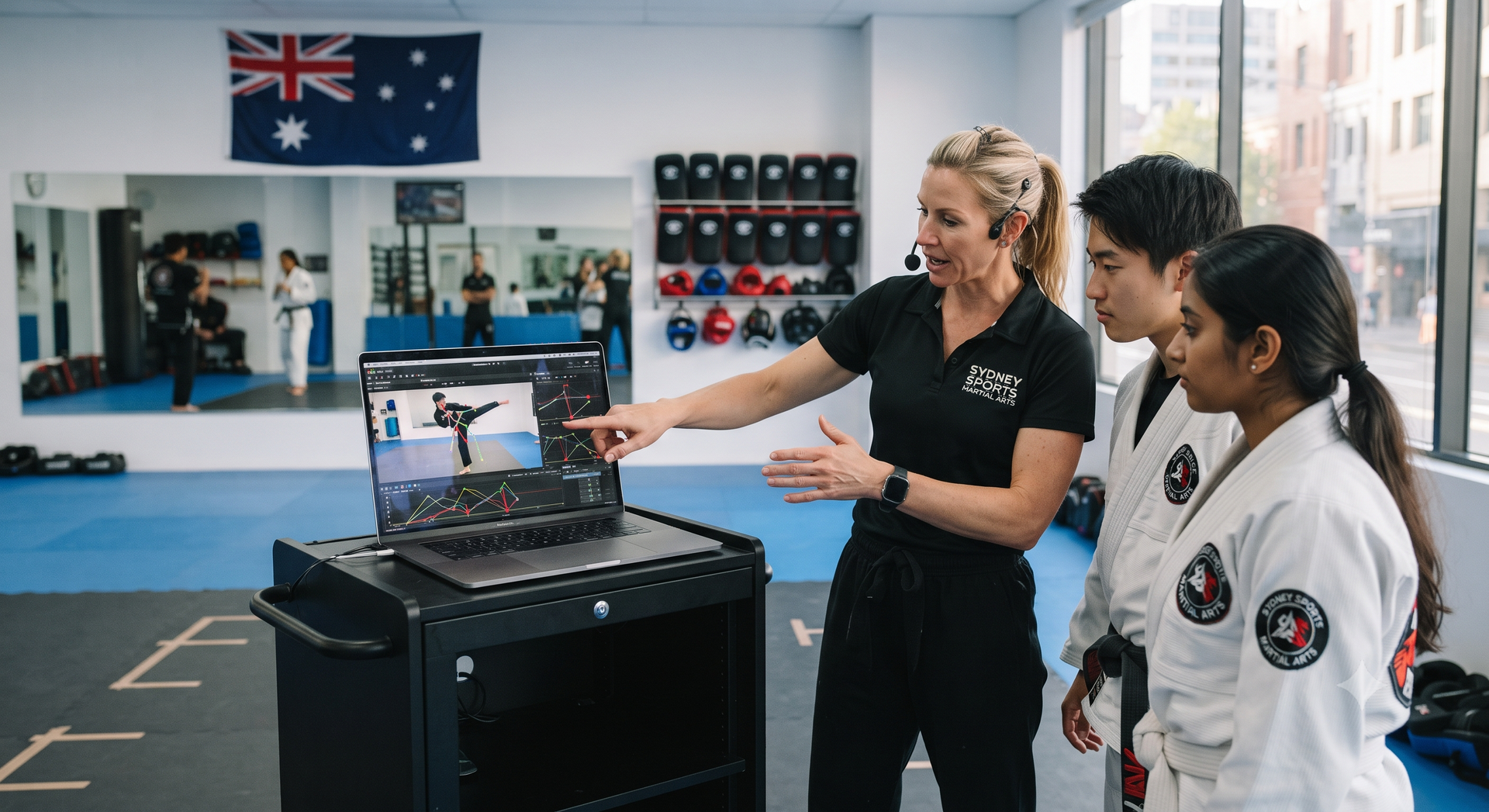
The core units in Level 2 include developing intermediate-level self-defence and martial arts programs taking what you could sketch in Level 1 and building out properly structured, mapped programs that can run safely and progressively for students from any background. You'll learn to evaluate and review performance your own, your students', and your programs and identify where genuine improvements can be made rather than continuing to run the same content because that's what was always done.
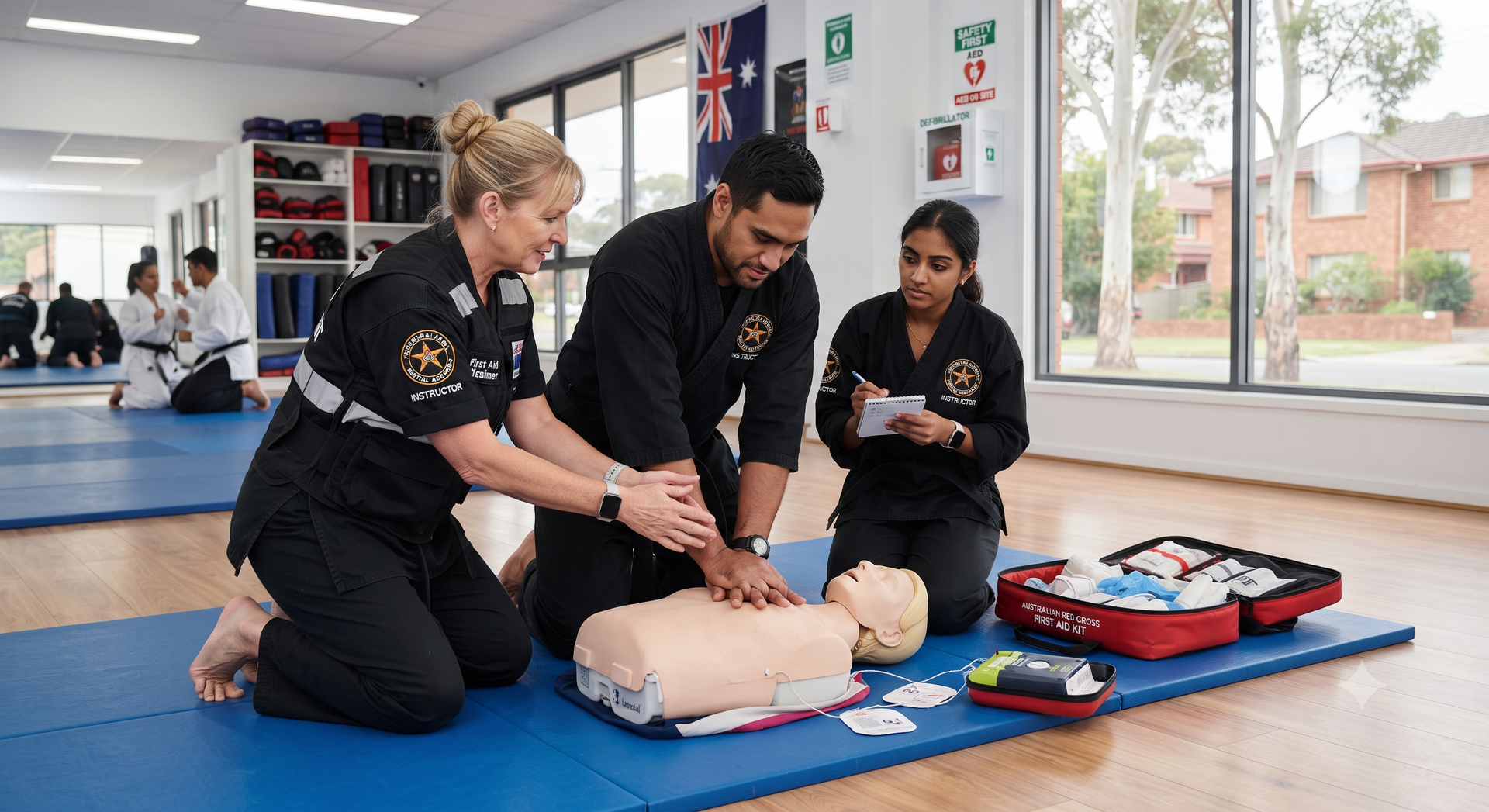
Level 2 also covers customer service in depth: the full arc of a student's experience from their first enquiry through to ongoing retention, including payment and administrative aspects, professional boundaries, and how these intersect with the quality of the teaching relationship. And it adds emergency coordination how to prepare for and respond to serious situations in a training environment, which is knowledge every instructor needs and most never formally develop.
Building on Level 1 or Coming In with Experience
If you've already completed Level 1, the transition to Level 2 is natural each unit is explicitly designed to build on the foundation the previous level established. If you're coming in with significant existing teaching experience, AMACS allows you to select the level that best suits where you are right now. There's no requirement to start at Level 1 if Level 2 content is the genuine gap in your knowledge base.
School owners enrolling instructors who are at different stages can have them start at different levels simultaneously and group discount pricing makes this practical even for schools with multiple instructors to develop.
Study Online, Complete in Your Own Time
Like all AMACS courses, Level 2 is delivered entirely through the online portal at courses.martialartsuniversities.com. Self-paced, accessible from anywhere, with up to 12 months to complete. Many instructors finish both Level 1 and Level 2 within a couple of weeks when they approach the content with focus.
Program Design: The Skill That Actually Sets Level 2 Apart
Most instructors can teach a single technique well. Considerably fewer can design an eight-week program that progresses students safely and logically from where they are now to a clearly defined outcome, building in appropriate assessment points along the way. This is the specific skill Level 2's program design units are built around, and it is arguably the single most transferable capability an instructor gains from the course useful not just for a general adult class, but for kids' programs, competition preparation, and specialised offerings like a seniors class or a corporate self-defence workshop.
Instructors who complete this component often describe a noticeable shift in how they plan: instead of walking into a session and deciding on the spot what to cover, they arrive with a genuine map of where the term is heading and why each session sits where it does within that arc. Students feel this difference even when they can't articulate exactly what has changed retention and visible progress both tend to improve.
Evaluation as an Ongoing Practice, Not a One-Off Task
The performance evaluation content in Level 2 is not limited to assessing students at grading time. It teaches instructors to build a habit of genuinely reviewing their own teaching what worked in a session, what didn't land, and what specifically should change next time as a routine part of running classes rather than an occasional exercise reserved for when something has clearly gone wrong. Instructors who build this habit early in their teaching career tend to improve faster and plateau less than those who simply repeat whatever approach got them through their own training.
Handling the Customer Service Conversations Nobody Prepares You For
Every experienced instructor eventually faces the awkward conversations: the parent unhappy about a grading result, the adult student who wants to quit and needs a genuine, respectful conversation rather than a hard sell to stay, the billing dispute that has nothing to do with technique but everything to do with how the school is perceived. Level 2's customer service content gives instructors a structured way to think through these situations professionally, rather than improvising a response in the moment and hoping it lands well.
Emergency Coordination: The Unit Instructors Say They Wish They'd Had Sooner
Of everything covered in Level 2, the emergency coordination content is the one instructors most consistently describe as something they wish they had learned years earlier. Being able to name, in advance, who does what if a serious incident occurs during your class who administers first aid, who calls emergency services, who manages the rest of the group — removes the paralysis that otherwise occurs in the first, most critical minutes of a genuine emergency. This is not abstract theory; it is a practical rehearsal of exactly the kind of situation every contact-based instructor eventually faces.
Why Level 2 Is Where Many Instructors Feel the Biggest Shift
Level 1 gives instructors a foundation. Level 2 is where many describe a genuine shift in how they see themselves professionally moving from someone who runs sessions competently to someone who can genuinely evaluate, adapt, and lead. Instructors who complete Level 2 often find themselves naturally taking on more responsibility within their school, not because anyone explicitly handed it to them, but because their head instructor recognises the increased capability and depth that the course has visibly produced.
Preparing for Level 3 Before You Get There
Even for instructors who are not yet thinking about school ownership, the customer service and program design foundations built in Level 2 form the direct groundwork for the business and leadership content covered in Level 3. Instructors who complete Level 2 thoroughly, rather than rushing through it, tend to find the transition into Level 3 considerably smoother, because they arrive already comfortable with structured program thinking and professional client interaction two skills Level 3 assumes and builds on rather than reintroducing from scratch.
Real Feedback From Instructors Who've Made the Jump
Instructors who move from Level 1 into Level 2 consistently describe the same experience: content that initially feels like a modest step up quickly reveals itself to be a substantial deepening of genuine coaching capability. The evaluation and program design skills in particular are described repeatedly as changing not just how instructors teach a single session, but how they think about an entire term or year of programming for a group of students a shift from reactive, session-by-session teaching to genuinely proactive program design.
The Confidence to Handle Complexity
One of the quieter benefits of Level 2 is simply the confidence that comes from knowing you have a genuine framework for handling situations that used to feel improvised a difficult parent conversation, a student who has plateaued, a class that needs restructuring mid-term. Instructors who complete Level 2 report feeling less anxious about the unpredictable parts of teaching, precisely because they now have structured approaches to draw on rather than having to invent a response from scratch every time something unexpected comes up.
Where Level 2 Fits in a Busy Teaching Life
Instructors juggling a full teaching schedule alongside their own training and often a separate job understandably worry about finding time for another course. Level 2's self-paced structure is specifically designed around this reality there are no live sessions to attend, no group deadlines to keep pace with, and each unit can be picked up and put down as your week allows. Instructors consistently find that the material fits into the gaps of an already busy life far more easily than they initially expected.
The Emotional Intelligence Component of Program Evaluation
A less obvious but genuinely important part of Level 2's evaluation content is learning to separate your own attachment to a particular program or teaching method from an honest assessment of whether it is actually producing the results you want for students. Many instructors continue running a drill or a program structure simply because they enjoy teaching it, without stepping back to ask whether it is genuinely the best use of class time for the students in front of them. Level 2 builds the habit of periodically asking this question honestly, which is a genuinely uncomfortable discipline for most instructors at first, and one of the more valuable professional habits the course instills over time.
Why Customer Service Content Surprises Many Instructors
Instructors coming into Level 2 sometimes expect a martial arts course to focus purely on technique and pedagogy, and are pleasantly surprised by how much practical value the customer service content provides. Understanding the full arc of a student's journey from their first phone enquiry, through their trial class, their early weeks of genuine uncertainty about whether to continue, and into long-term committed membership gives instructors a much clearer sense of where students are most likely to disengage, and what a well-timed, genuine check-in can do to keep a wavering student engaged rather than quietly drifting away.
Share
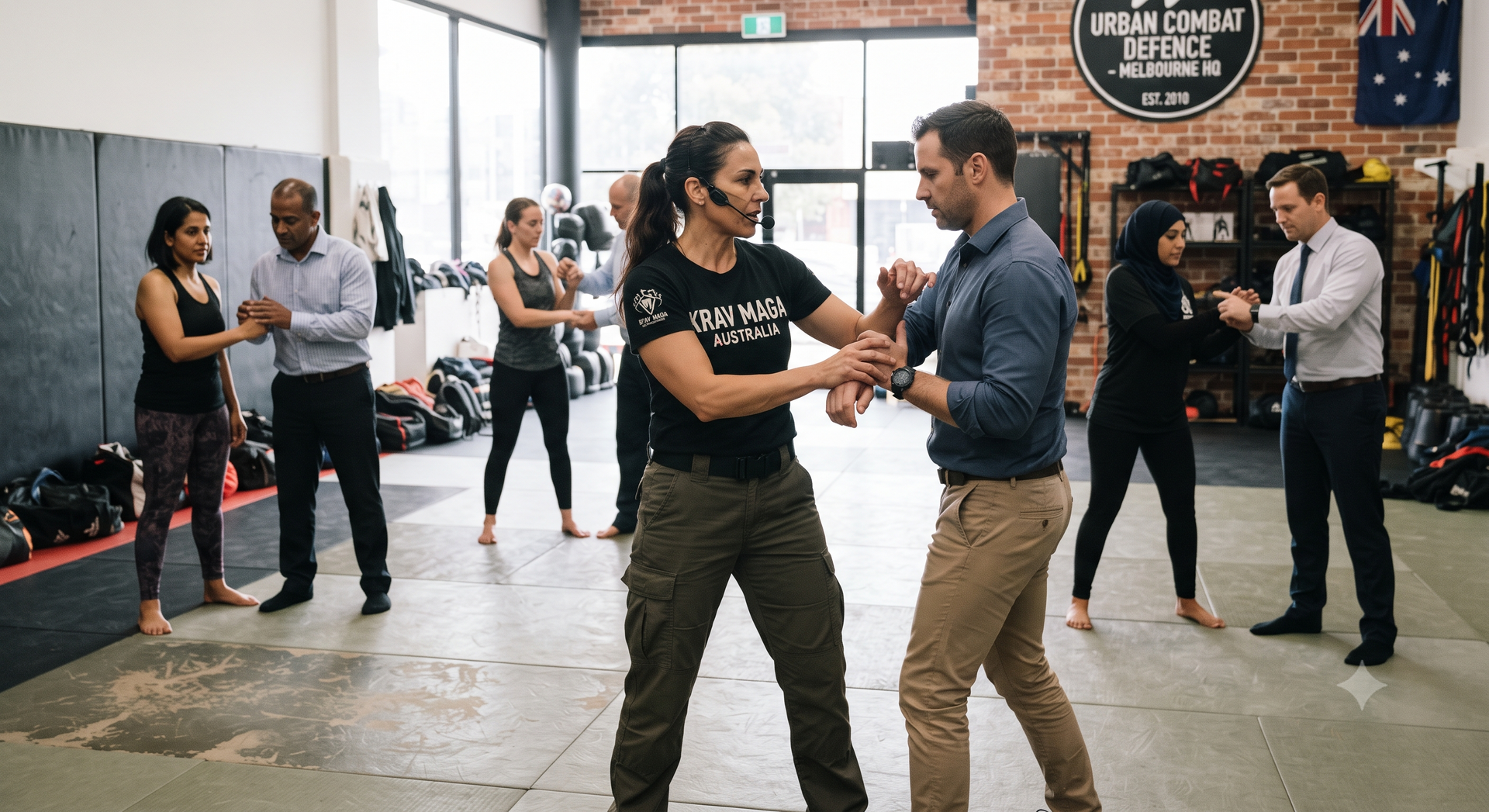
Teaching Self-Defence Professionally: The Course Built for Instructors Who Work With Real-World Risk