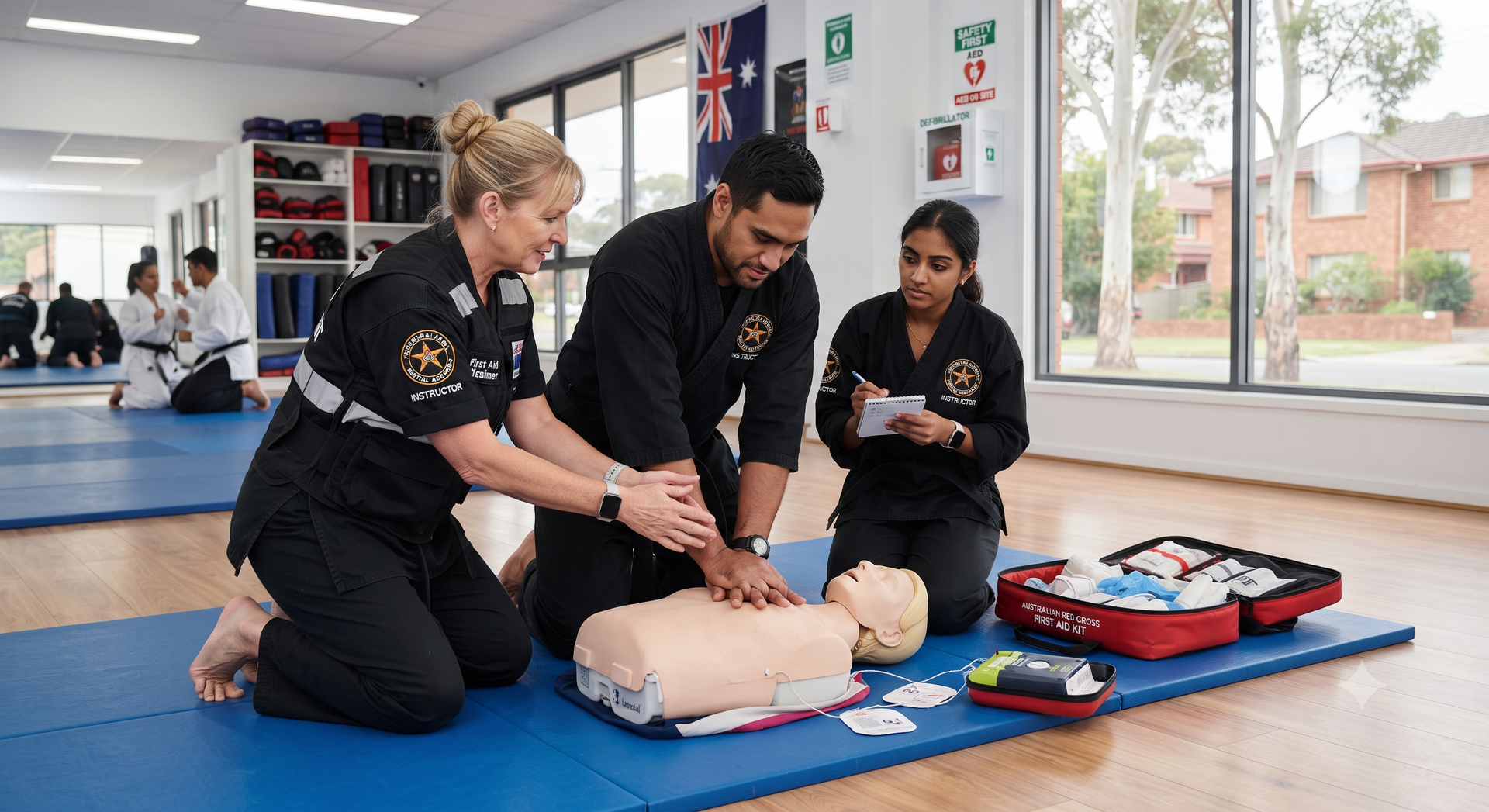
Already Teaching for Years? There Are Two Fast Paths to Formal Qualification
RPL and the Defensive Tactics Course — For Instructors Who Don't Want to Start From Zero
If you have been teaching martial arts for years running classes, developing students, managing a school the idea of sitting through an entry-level course can feel like it doesn't match where you actually are. AMACS has two specific pathways built exactly for this situation: Recognition of Prior Learning (RPL) and the Professional Defensive Tactics Course (PDTC).
Both fast-track formal recognition for experienced practitioners. Both unlock genuine, industry-recognised credentials. And both are available right now through the AMACS course portal.
Recognition of Prior Learning: Full Pathway, Fast-Tracked
RPL is the process through which your existing experience — your belt rankings, your years of teaching, your training history — can be formally assessed and converted into recognised qualifications. For eligible instructors, RPL provides access to all three AMACS levels without completing each course from scratch, and it unlocks the Certified Senior Instructor (CSI) and Certified Master Instructor (CMI) accreditations alongside the 6-STAR School Certificate in conjunction with Martial Arts Australia.
To begin the RPL process, you'll need your martial arts resume ready current certificates, belt rankings, teaching experience, and anything else that demonstrates your background. Students enrolling through RPL are required to have been training at a martial arts school, or to have been training independently for more than three years. Taking out a Martial Arts Australia membership also provides Certified Practising Instructor (CPI) status at no additional cost.
RPL is not a shortcut for people who haven't genuinely put in the work. It's proper recognition for those who have.
The Professional Defensive Tactics Course: A Specialised Credential
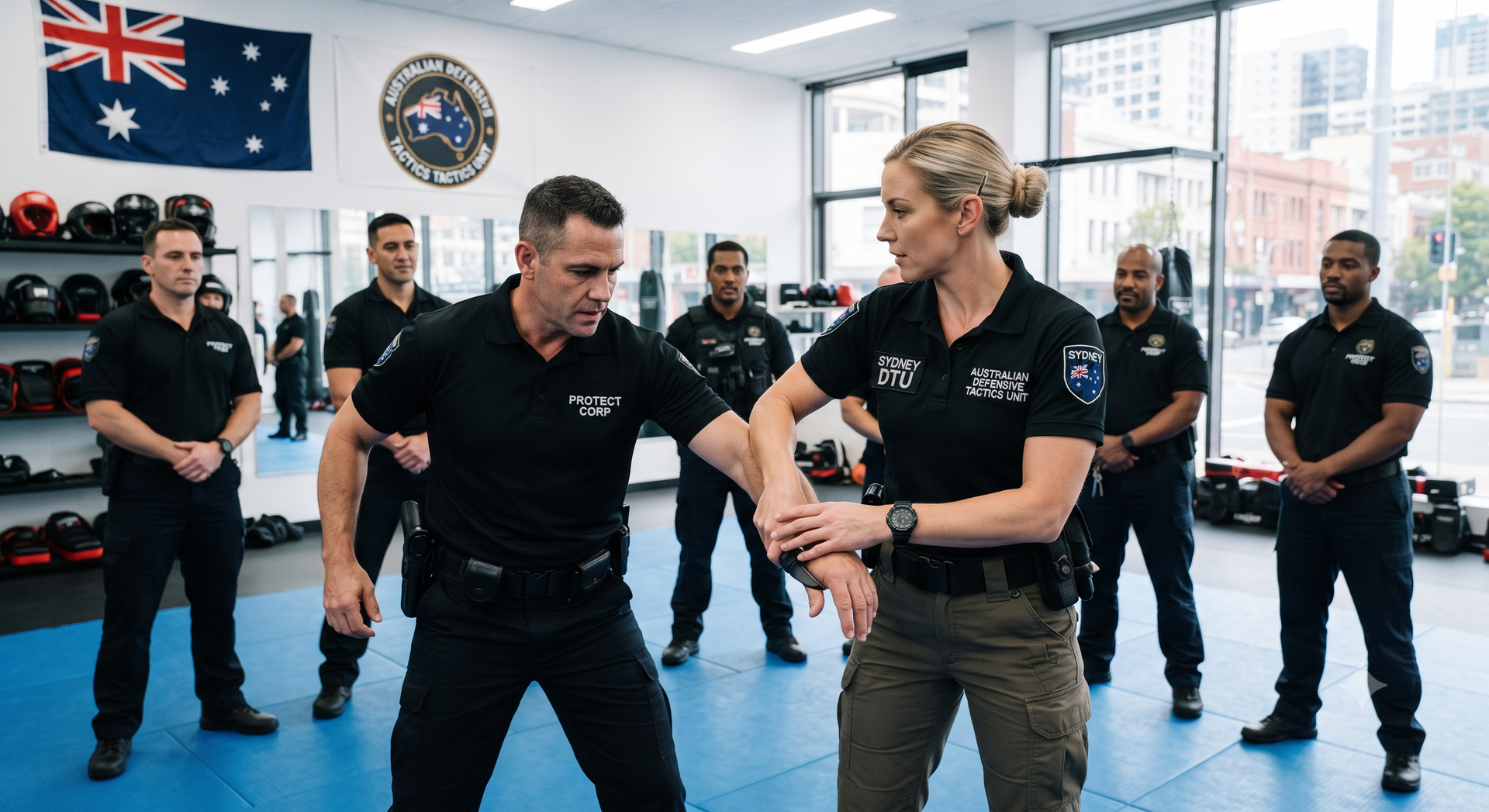
The Professional Defensive Tactics Course (PDTC) is a separate, specialised offering from AMACS that uses scientific research from neuroscience integrated with the practical approaches of Law Enforcement, Security, Military, and Martial Arts to develop highly effective defensive tactics programs that are simple to learn and genuinely usable under pressure.
The Core Tactical Strategy at the heart of PDTC provides a responsive framework to verbal and physical aggression, taking harm minimisation, duty of care, and occupational health and safety into account at every stage. This system has been used to train over 10,000 security officers in Australia, the United Kingdom, and North America. It's ideal for security personnel, law enforcement professionals, and martial arts instructors who want to teach defensive tactics to professional or community audiences.
If your background or your teaching involves any of these contexts security, self-defence instruction for professional clients, community safety programs — the PDTC is a genuinely valuable addition to your credentials.
Which Path Is Right for You?
If you have years of teaching experience and want formal recognition for your existing knowledge: start with the RPL process.
If you want to teach defensive tactics to security or professional audiences, or add this dimension to your existing school: the PDTC is the right course.
What the RPL Assessment Process Actually Involves
Experienced instructors sometimes assume RPL means simply submitting a resume and receiving a credential automatically. In practice, the assessment is genuinely rigorous your documented experience is reviewed against the specific competencies covered across the AMACS Level 1 to Level 3 curriculum, and gaps are identified honestly rather than glossed over. Where a genuine gap exists between your prior experience and a specific competency, you may be asked to complete supplementary material covering that specific area rather than the entire course again. This is precisely what makes RPL a meaningful credential rather than a formality it reflects an honest assessment of what you already know and what you still need.
Why the PDTC Track Record Matters
A course claiming to prepare people for real-world violence is only as credible as the evidence behind it, and the PDTC's track record — training more than 10,000 security officers across three countries is precisely the kind of evidence that separates a genuinely tested curriculum from a theoretical one built in isolation from real professional contexts. Instructors considering the PDTC should weigh this history seriously: a defensive tactics program that has been refined through use in actual security, law enforcement, and military training environments carries a different level of confidence than one designed purely for a traditional dojo setting.
Combining Both Pathways
Experienced instructors are not limited to choosing one path. Many complete RPL to formalise their existing general teaching credentials and separately enrol in the PDTC to add a specific, specialised capability to their offering. Together, these two pathways let an established instructor build a genuinely comprehensive professional profile broad general recognition through RPL, and deep specialised capability through PDTC — without repeating content they have already mastered through years of practical teaching experience.
Both are available through the AMACS portal.
What to Have Ready Before You Start the RPL Process
Instructors preparing for RPL get through the assessment more smoothly when they gather their documentation in advance rather than scrambling to find it once the process has begun: current belt certificates and grading records, any previous coaching or first aid qualifications, evidence of teaching history such as class schedules or employment records from a school, and a clear written summary of your training and teaching background. The more organised this evidence is when submitted, the faster and smoother the assessment process tends to be.
The PDTC as a Career-Long Investment
For instructors and security professionals who complete the PDTC, the credential tends to compound in value over a career rather than being a one-off achievement. As demand grows for genuinely evidence-based self-defence and defensive tactics training across security, corporate, and community contexts, instructors holding a recognised, track-record-backed qualification like the PDTC are positioned to take advantage of opportunities that instructors without a comparable credential simply cannot access as credibly.
Avoiding the Two Common Mistakes Experienced Instructors Make
Experienced instructors approaching formal qualification for the first time tend to make one of two mistakes: either assuming their years of experience mean no further study is needed at all, or swinging the other way and enrolling in the full entry-level Level 1 course out of uncertainty about what else is available, when RPL or the PDTC would have been the far more efficient and appropriate path. Speaking with AMACS directly about your specific background before choosing a path is the simplest way to avoid both of these mistakes and land on the option that actually matches your experience.
No Need to Choose Between Pride in Experience and Formal Recognition
Some experienced instructors resist formal qualification out of a sense that decades of genuine teaching experience should simply speak for itself, without needing a certificate to validate it. This is an understandable instinct, but it misses the practical point of RPL specifically: the process does not diminish or replace your experience, it formally documents and verifies it in a way the market — parents, other schools, insurers — can actually recognise and trust. Your experience remains exactly as real and valuable as it always was; RPL simply gives it a form that travels beyond your own reputation within your local community.
Talk to AMACS Directly About Your Situation
Because every instructor's background is different, the fastest way to confirm which pathway suits you is a direct conversation with the AMACS team about your specific training history, teaching experience, and professional goals. This conversation costs nothing and typically clarifies within minutes whether RPL, the PDTC, or a combination of both is the right starting point — far faster than trying to work it out alone from course descriptions.
No Reason to Delay Either Pathway
Both RPL and the PDTC are available to begin immediately, with no fixed intake dates or waiting periods. For an experienced instructor who has been meaning to formalise their credentials for years but has never quite gotten around to it, the practical barriers to starting today are genuinely minimal — a resume of your experience for RPL, or simply an enrolment for the PDTC, and you are underway.
Eligibility Considerations Worth Understanding Upfront
RPL is genuinely available to a broad range of experienced practitioners, but it is worth understanding the eligibility expectations before beginning the process so there are no surprises partway through. The requirement that applicants have trained at a martial arts school, or trained independently for more than three years, exists to ensure the process genuinely reflects substantial prior experience rather than being used as a way to bypass meaningful qualification. Instructors who meet this bar comfortably tend to find the RPL assessment a straightforward confirmation of what they already know; those closer to the threshold may be asked to supplement specific gaps, which is a normal and appropriate part of a genuinely rigorous recognition process.
Why Some Instructors Pursue Both RPL and PDTC Together
It is increasingly common for experienced instructors to pursue RPL to formalise their general teaching credentials while separately completing the PDTC to add a specific, specialised capability. This combination positions an instructor with both broad, industry-recognised general qualifications and a distinctive area of deep expertise a genuinely strong professional profile that few competing instructors in a local market are likely to match.
Share
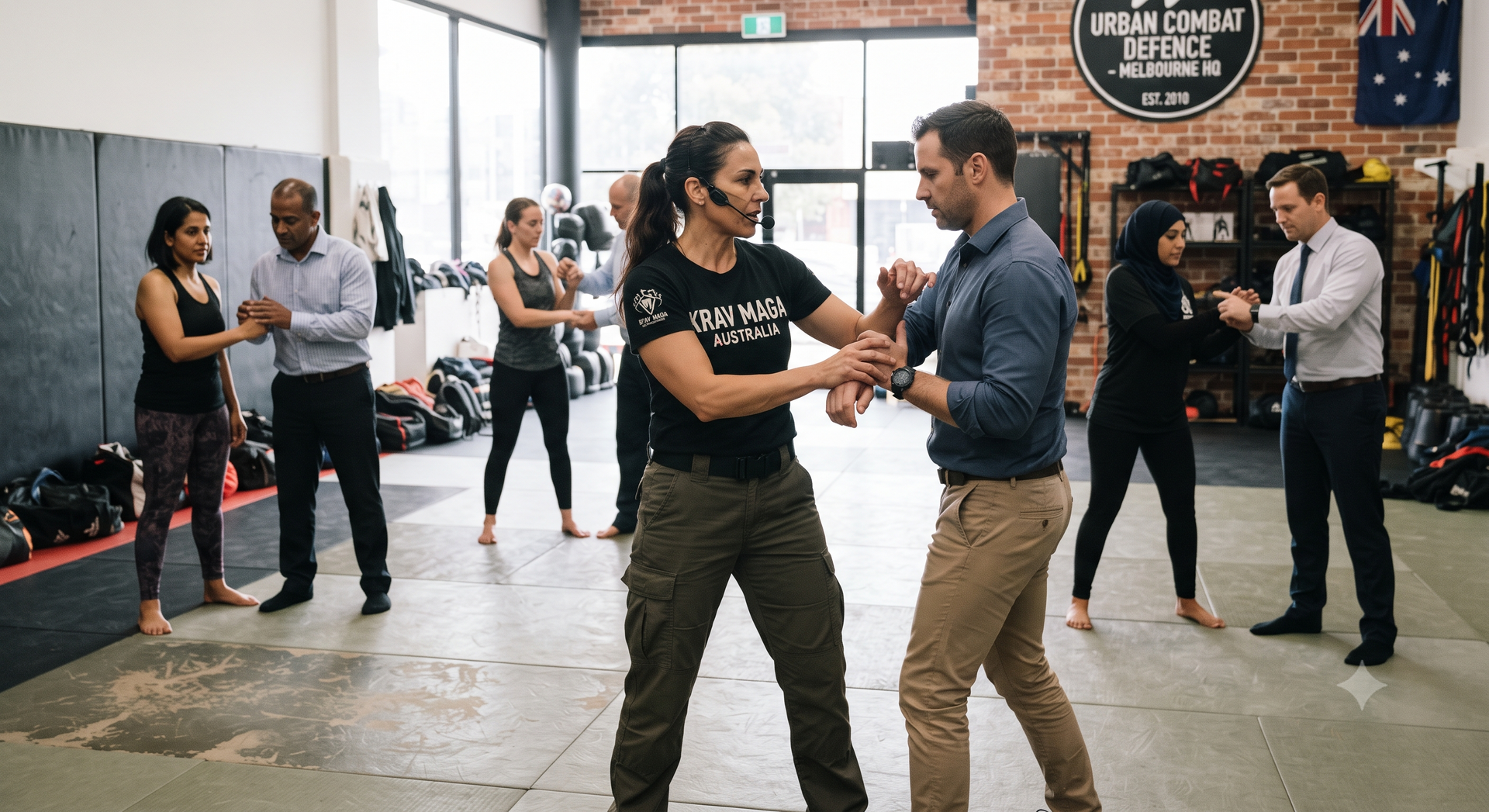
Teaching Self-Defence Professionally: The Course Built for Instructors Who Work With Real-World Risk