Most Martial Arts Instructors Focus on Teaching—But Overlook a Critical Skill
When instructors think about improving, they usually focus on:
- Better techniques
- Stronger conditioning
- More effective coaching methods
These are all important.
But there’s a critical skill that is often overlooked—yet highly influential in professional development:
Judging and officiating.
It’s not seen as essential.
It’s often treated as optional.
And in many cases, it’s completely ignored.
But in reality, judging and officiating develop some of the most valuable competencies an instructor can have—especially at higher levels.
This is why Australian Martial Arts Coaching System includes it as a structured part of development.
What Is Judging & Officiating in Martial Arts?
Judging and officiating refer to the ability to:
- Evaluate performance objectively
- Enforce rules and standards
- Make decisions under pressure
- Maintain fairness and control in competitive or structured environments
This applies not only to tournaments, but also to:
- Gradings and belt assessments
- Sparring sessions
- Internal competitions
- Skill evaluations
In short, it’s about
decision-making with responsibility.
Why This Skill Is Often Ignored
There are a few reasons why many instructors overlook this area:
1. It’s Not Seen as “Core Training”
Most instructors prioritize physical and technical development.
2. It Feels Situational
Some believe judging only matters during competitions.
3. Lack of Formal Training
Many instructors are never formally taught how to judge or officiate—they just observe and imitate.
But this creates a major gap.
Because without proper training, decisions become:
- Inconsistent
- Biased (even unintentionally)
- Difficult to justify
- Challenging under pressure
The Real Value: Developing Objective Decision-Making
At its core, judging and officiating train one key ability:
Objective decision-making.
This means:
- Evaluating performance based on criteria—not preference
- Remaining fair under pressure
- Making clear, confident calls
- Standing by decisions with reasoning
This skill translates directly into:
- Better coaching
- More structured assessments
- Higher credibility as an instructor
How It Improves Your Coaching (More Than You Expect)
This is where most instructors underestimate its impact.
Learning how to judge improves how you:
1. Observe Students
You start noticing details you previously overlooked.
2. Give Feedback
Your corrections become more precise and structured.
3. Evaluate Progress
You assess students based on clear criteria—not just general impressions.
4. Structure Training
You align drills and techniques with measurable outcomes.
In short:
You stop guessing—and start evaluating.
Understanding Rules, Standards, and Criteria
A major component of officiating is understanding:
- Rulesets
- Scoring systems
- Performance criteria
This applies across different martial arts styles and formats.
Through structured training, instructors learn:
- How to interpret rules correctly
- How to apply scoring consistently
- How to differentiate between performance levels
- How to justify decisions clearly
This reduces ambiguity and increases professionalism.
Handling Pressure: The Real Test of an Instructor
Judging often happens under pressure:
- Fast-paced matches
- Emotional participants
- Spectators watching closely
- High expectations for fairness
Without training, this pressure can lead to:
- Hesitation
- Inconsistent decisions
- Loss of authority
With proper training, you develop:
- Composure
- Confidence
- Clarity in decision-making
These are not just officiating skills—they are
leadership skills.
Authority and Credibility: The Hidden Advantage
Instructors who can judge effectively are often perceived differently.
They are seen as:
- More knowledgeable
- More experienced
- More authoritative
Why?
Because they demonstrate the ability to:
- Evaluate objectively
- Make fair decisions
- Maintain control in structured environments
This builds trust among:
- Students
- Parents
- Other instructors
- Event organizers
Communication in High-Stakes Situations
Officiating is not just about making decisions—it’s about communicating them.
You need to:
- Explain rulings clearly
- Handle disagreements professionally
- Maintain authority without escalating conflict
This strengthens your ability to:
- Manage difficult conversations
- Maintain professionalism under pressure
- Represent your school or organization effectively
These are skills that extend far beyond competitions.
Conflict Management and Professional Conduct
Disagreements are inevitable in competitive environments.
How you handle them defines your professionalism.
Judging and officiating training helps you:
- Stay neutral and composed
- De-escalate tense situations
- Communicate decisions without bias
- Maintain respect from all parties
This directly impacts your reputation as an instructor.
Why This Matters for School Owners
If you run a martial arts school, this skill becomes even more valuable.
You are responsible for:
- Gradings and belt promotions
- Internal competitions
- Maintaining fairness across students
Without structured judging skills, you risk:
- Perceived favoritism
- Inconsistent standards
- Loss of trust
With proper officiating knowledge, you ensure:
- Transparency
- Consistency
- Credibility in your decisions
Application Beyond Competition
Even if you don’t run tournaments, judging skills still apply daily.
For example:
In Class
- Evaluating technique execution
- Monitoring sparring performance
In Gradings
- Assessing readiness for promotion
- Applying consistent standards
In Instructor Development
- Evaluating other instructors
- Maintaining teaching quality
This makes it a
core operational skill, not just a competitive one.
The Structured Approach Through AMACS
Through Australian Martial Arts Coaching System, judging and officiating are taught in a structured way.
Instead of relying on observation or experience alone, instructors learn:
- Clear frameworks for evaluation
- Standardized approaches to decision-making
- Practical application in real scenarios
- Professional conduct in officiating roles
This removes uncertainty and builds confidence.
Common Mistakes This Training Prevents
Without proper training, instructors often:
- Make inconsistent decisions
- Rely on personal bias
- Struggle under pressure
- Fail to communicate rulings effectively
- Lose authority in structured settings
Judging and officiating training addresses all of these issues directly.
Who Should Learn Judging & Officiating
This is not limited to advanced practitioners.
It’s valuable for:
Instructors
To improve coaching and evaluation skills.
School Owners
To maintain fairness and consistency.
Competitors
To understand how performance is assessed.
Event Organizers
To ensure professional standards.
It’s a skill set that strengthens every role within martial arts.
The Long-Term Impact on Your Development
Over time, mastering judging and officiating leads to:
- Sharper observation skills
- More structured coaching
- Increased authority
- Greater confidence in decision-making
- Stronger professional reputation
These benefits compound across every aspect of your work.
Final Thought: Mastery Includes Judgment
Martial arts is not just about execution—it’s about understanding.
Understanding:
- What good performance looks like
- How to measure it
- How to evaluate it fairly
Judging and officiating develop that understanding.
They turn instinct into structure.
And structure into professionalism.
If you want to operate at a higher level—not just as an instructor, but as a respected authority—this is a skill you cannot afford to overlook.
Share
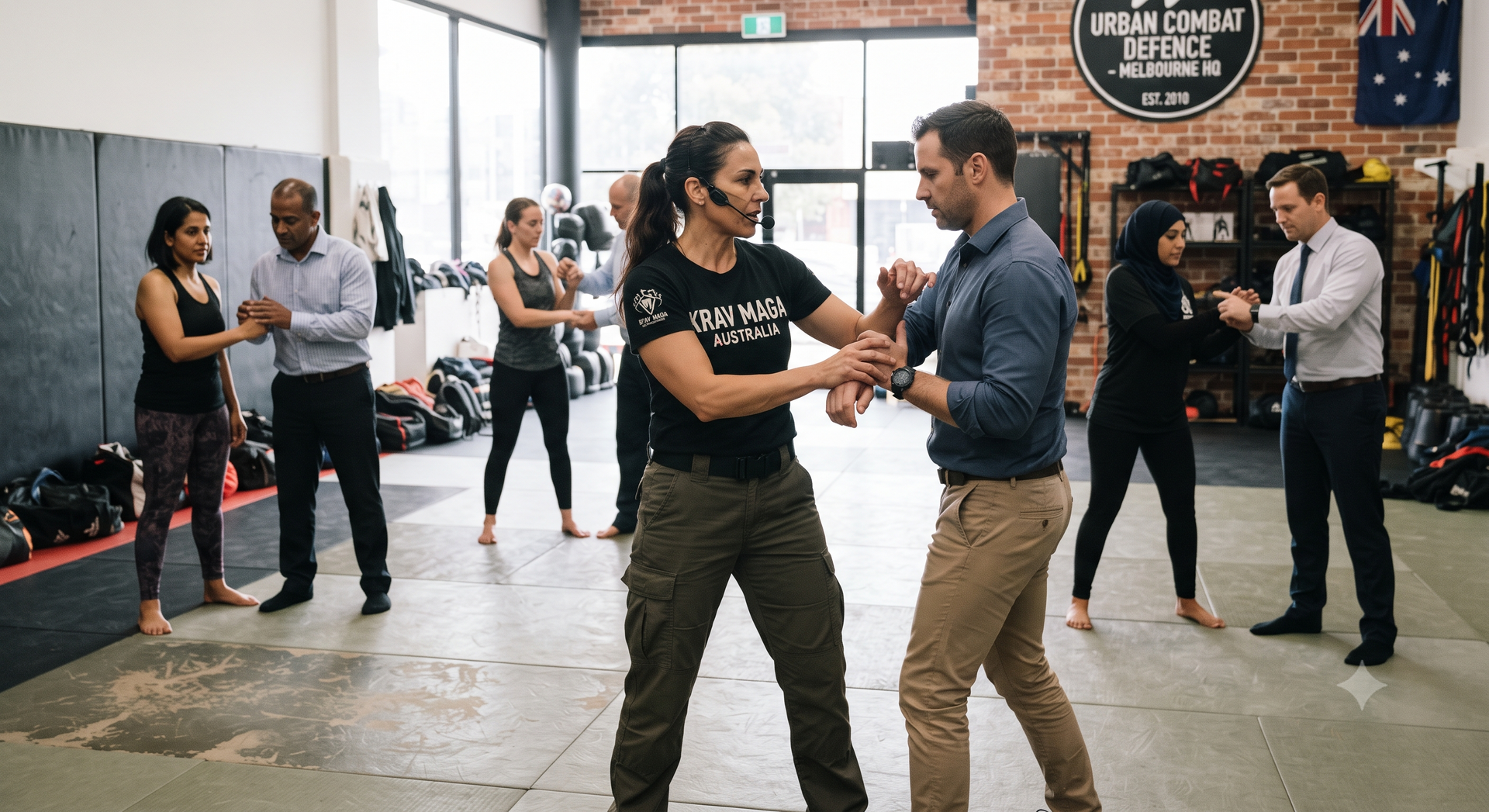
Teaching Self-Defence Professionally: The Course Built for Instructors Who Work With Real-World Risk