Starting a Martial Arts School Is Easy—Running One Successfully Is Not
Opening a martial arts school is more accessible than ever.
All you really need is:
- A space
- Basic equipment
- Students willing to train
But here’s the reality most new school owners face within the first 6–12 months:
- Inconsistent class structure
- Difficulty retaining students
- Pricing uncertainty
- Operational chaos
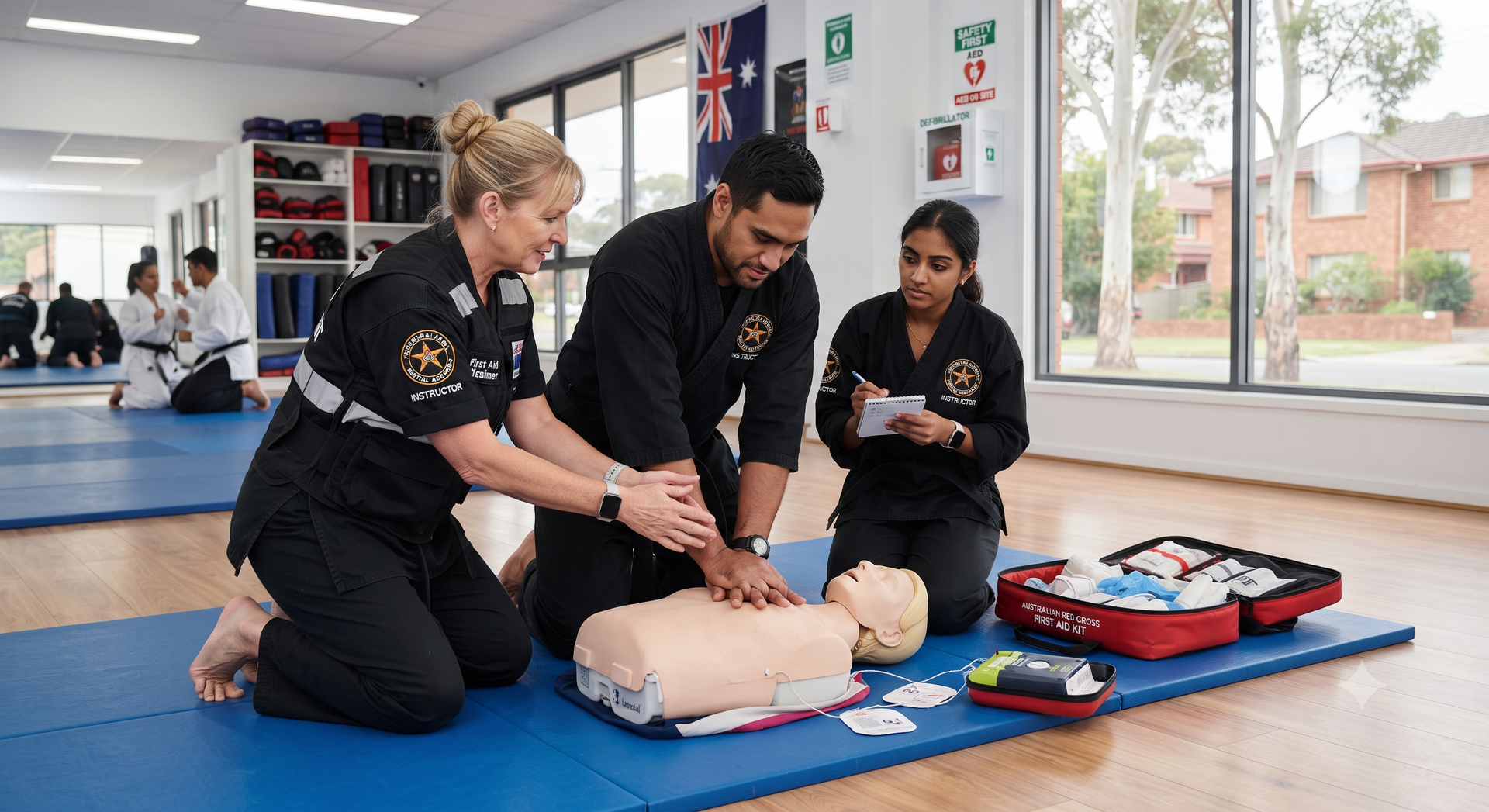
- Growing safety and liability concerns
Why does this happen?
Because most instructors start with passion—but without systems.
And without systems, growth becomes unstable.
This is where Australian Martial Arts Coaching System becomes critical—not just as a training platform, but as a foundation for building your school correctly from day one.
Step 1: Understand That You’re Building a Business—Not Just a Class
One of the biggest mindset shifts you need to make is this:
You are not just teaching martial arts.
You are operating a business.
This means you are responsible for:
- Customer experience (students and parents)
- Financial sustainability
- Risk and safety management
- Operational consistency
Many instructors ignore this and treat their school like an extension of training.
That works temporarily—but it does not scale.
Step 2: Build Structure Before You Build Scale
A common mistake is trying to grow too quickly.
- More students
- More classes
- More schedules
But without structure, growth leads to:
- Disorganized classes
- Instructor inconsistency
- Student confusion
- Increased risk
Instead, focus on building:
1. Structured Class Formats
Every class should follow a consistent flow.
2. Clear Student Progression
Students should understand how they improve and advance.
3. Defined Teaching Methods
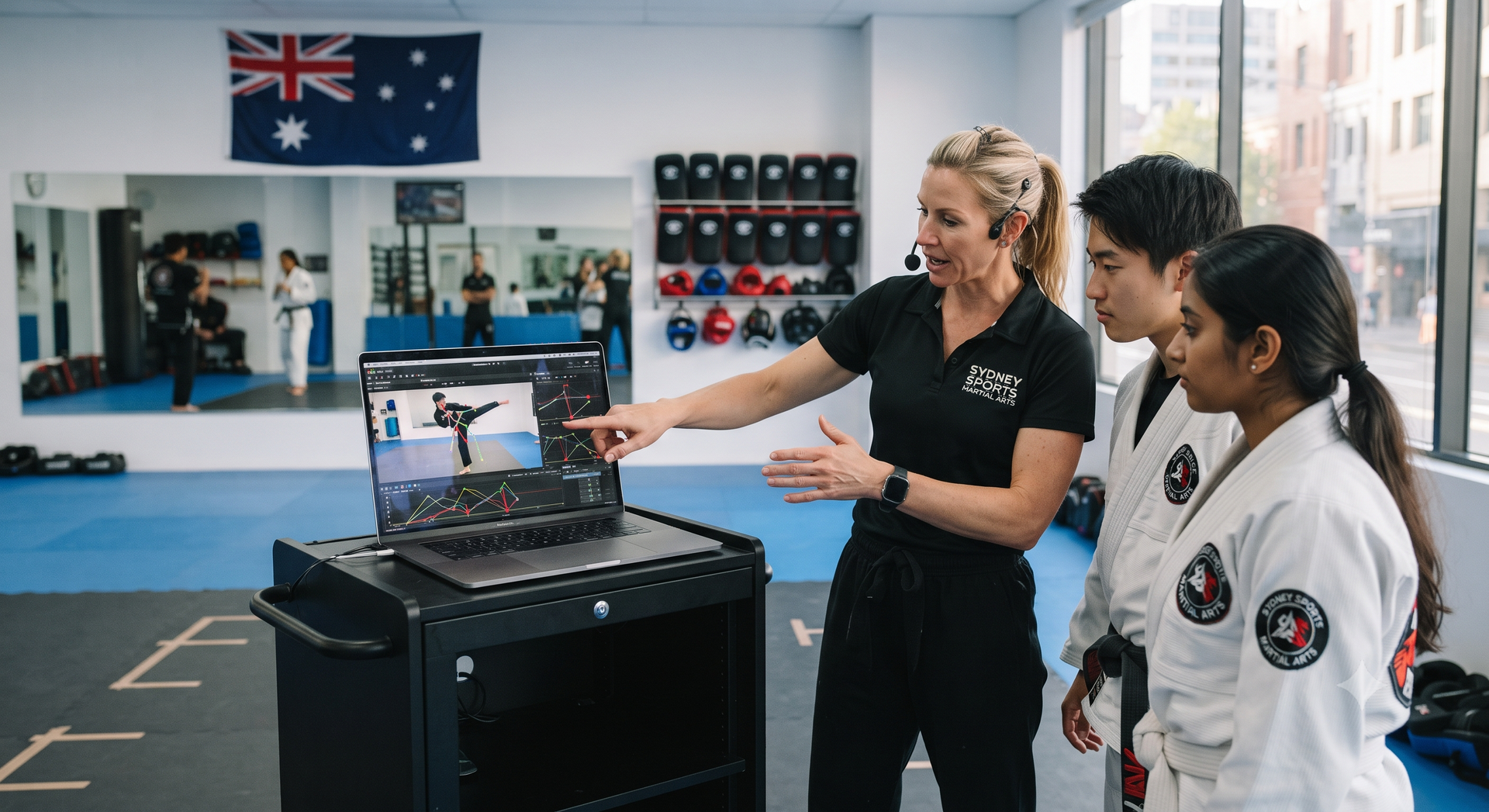
Instructors should deliver classes consistently.
AMACS provides frameworks that help you establish these from the start—so growth becomes controlled, not chaotic.
Step 3: Design the Student Experience (Not Just the Training)
Many school owners focus only on techniques.
But students stay for the experience, not just the training.
This includes:
- How classes are run
- How instructors communicate
- How progress is tracked
- How students feel during sessions
A well-designed experience leads to:
- Higher retention
- Better engagement
- Stronger referrals
AMACS helps instructors understand how to structure the entire journey, not just the lesson.
Step 4: Get Your Pricing and Positioning Right Early
Pricing is one of the most misunderstood areas.
Common mistakes include:
- Underpricing to attract students
- Copying competitors without strategy
- Offering inconsistent packages
Your pricing should reflect:
- The value you deliver
- The structure of your programs
- The experience you provide
When your systems are strong, pricing becomes easier to justify.
And that’s where structured programs—like those taught through AMACS—play a critical role.
Step 5: Build Systems That Reduce Risk
Risk is often ignored until something goes wrong.
But as a school owner, you are exposed to:
- Student injuries
- Parental concerns
- Legal and insurance implications
- Operational liabilities
Without proper systems, these risks increase.
You need:
- Clear safety protocols
- Structured class management
- Incident handling procedures
- Awareness of high-risk scenarios
AMACS integrates these principles into its framework, helping you build proactive systems instead of reactive fixes.
Step 6: Standardize Before You Expand
Many instructors dream of:
- Multiple classes
- Multiple locations
- A team of instructors
But expansion without standardization creates problems:
- Inconsistent teaching quality
- Loss of control
- Brand dilution
Before expanding, you need:
- Documented systems
- Instructor training frameworks
- Consistent class delivery models
AMACS Level progression supports this by helping you build systems that can be replicated across instructors and locations.
Step 7: Develop Yourself as an Operator, Not Just an Instructor
Your role changes when you own a school.
You are no longer just responsible for:
- Teaching techniques
You are now responsible for:
- Managing people
- Making decisions
- Maintaining standards
- Driving growth
This requires a different skill set.
AMACS helps you develop:
- Leadership skills
- Operational thinking
- Decision-making frameworks
This is what allows your school to grow beyond your personal effort.
Step 8: Focus on Retention Before Acquisition
Many new school owners focus on getting more students.
But growth is not just about acquisition—it’s about retention.
If students don’t stay:
- Marketing costs increase
- Revenue becomes unstable
- Growth becomes inconsistent
Retention is driven by:
- Structured classes
- Clear progression
- Positive experience
- Strong relationships
These are all system-based—not luck-based.
Step 9: Use Proven Frameworks Instead of Guessing
Trial and error is expensive.
It costs:
- Time
- Money
- Reputation
Instead of guessing, you can follow proven frameworks.
That’s one of the biggest advantages of using AMACS.
You gain access to:
- Tested class structures
- Proven coaching systems
- Established operational frameworks
This allows you to:
- Avoid common mistakes
- Implement faster
- Improve more consistently
Step 10: Think Long-Term From Day One
Many instructors start with short-term thinking:
- “Let’s just get students in”
- “We’ll figure it out later”
But decisions made early affect long-term outcomes.
If you build correctly from the start:
- Growth becomes easier
- Problems are reduced
- Systems scale naturally
If you don’t:
- You’ll spend years fixing avoidable issues
Common Mistakes New School Owners Make
To summarize, here are the most common mistakes:
- Starting without structured systems
- Ignoring risk and safety early
- Focusing only on techniques, not experience
- Expanding before standardizing
- Relying on trial and error
These are exactly the issues AMACS is designed to address.
The Strategic Advantage of Starting with AMACS
Starting your school with AMACS gives you:
Clarity
You know what to do and how to do it.
Structure
You operate with systems, not guesswork.
Confidence
You make decisions based on frameworks.
Scalability
Your school can grow without breaking.
This is what separates schools that survive… from those that grow.
Final Thought: Build It Right Once
Starting a martial arts school is an opportunity.
But it’s also a responsibility.
You are building something that involves:
- People
- Safety
- Trust
- Long-term relationships
Doing it right from the beginning makes everything easier.
AMACS provides the structure to do exactly that.
And in an industry that is becoming more professional and competitive—
That structure is your advantage.
Share
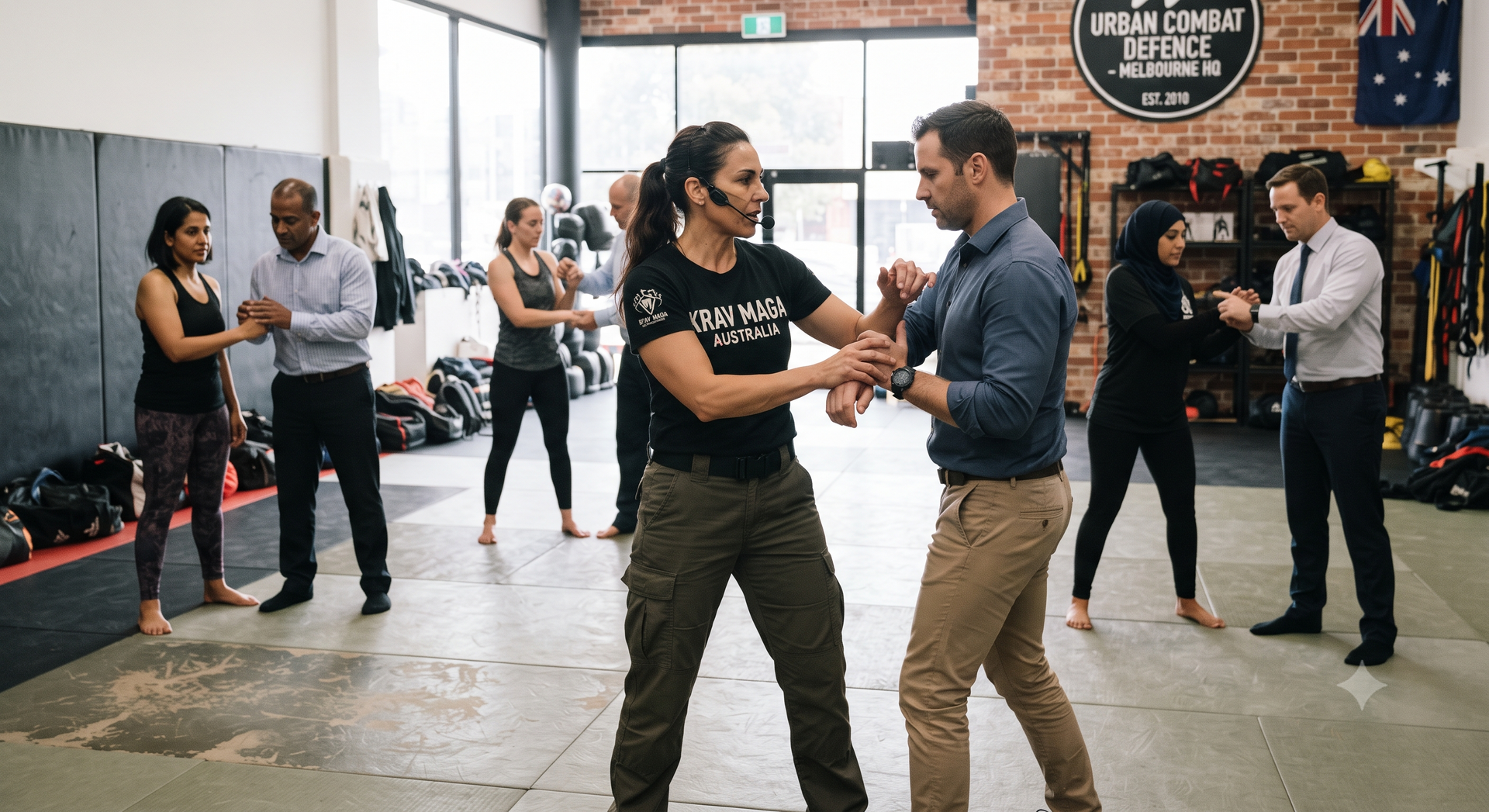
Teaching Self-Defence Professionally: The Course Built for Instructors Who Work With Real-World Risk